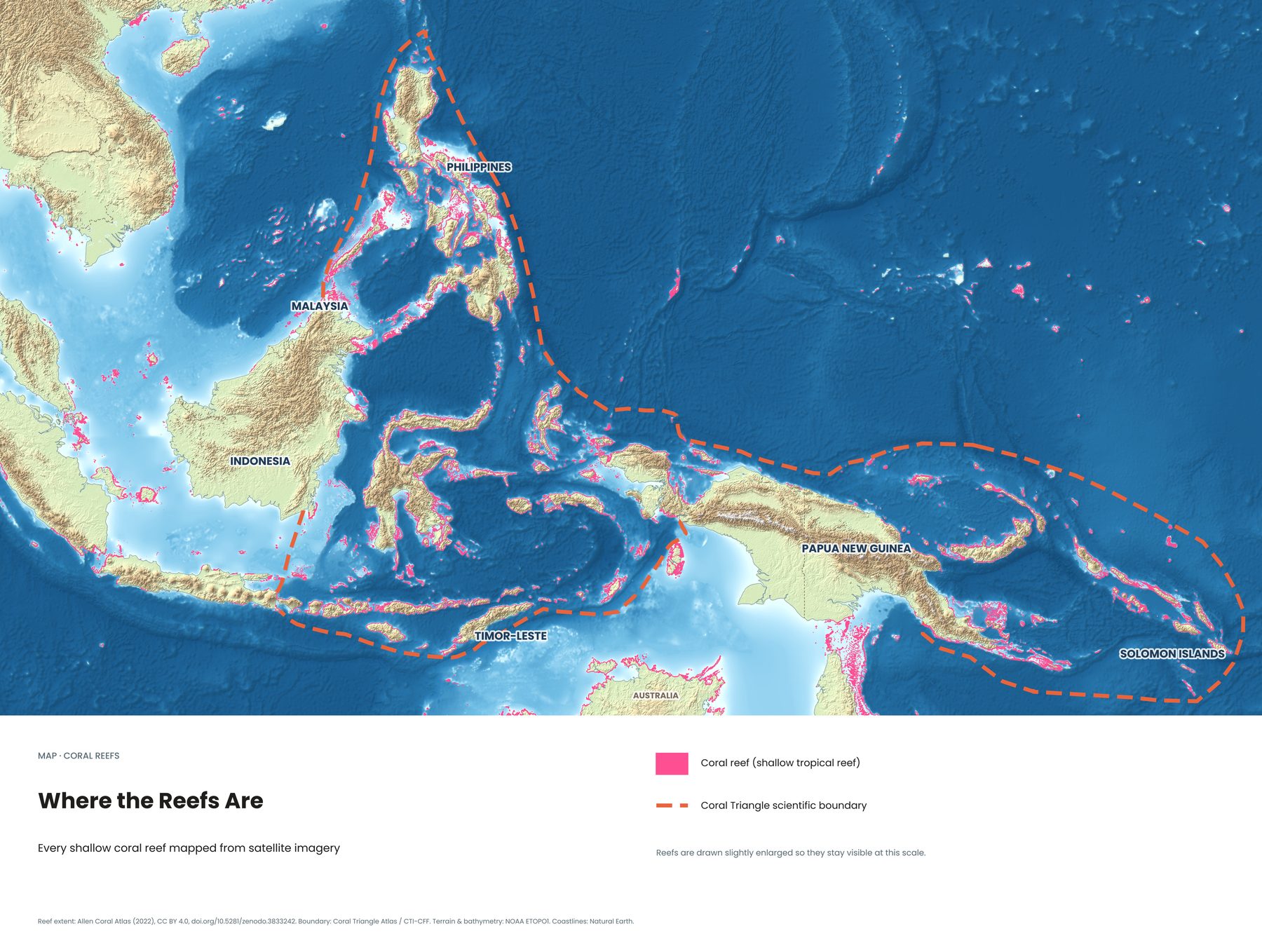
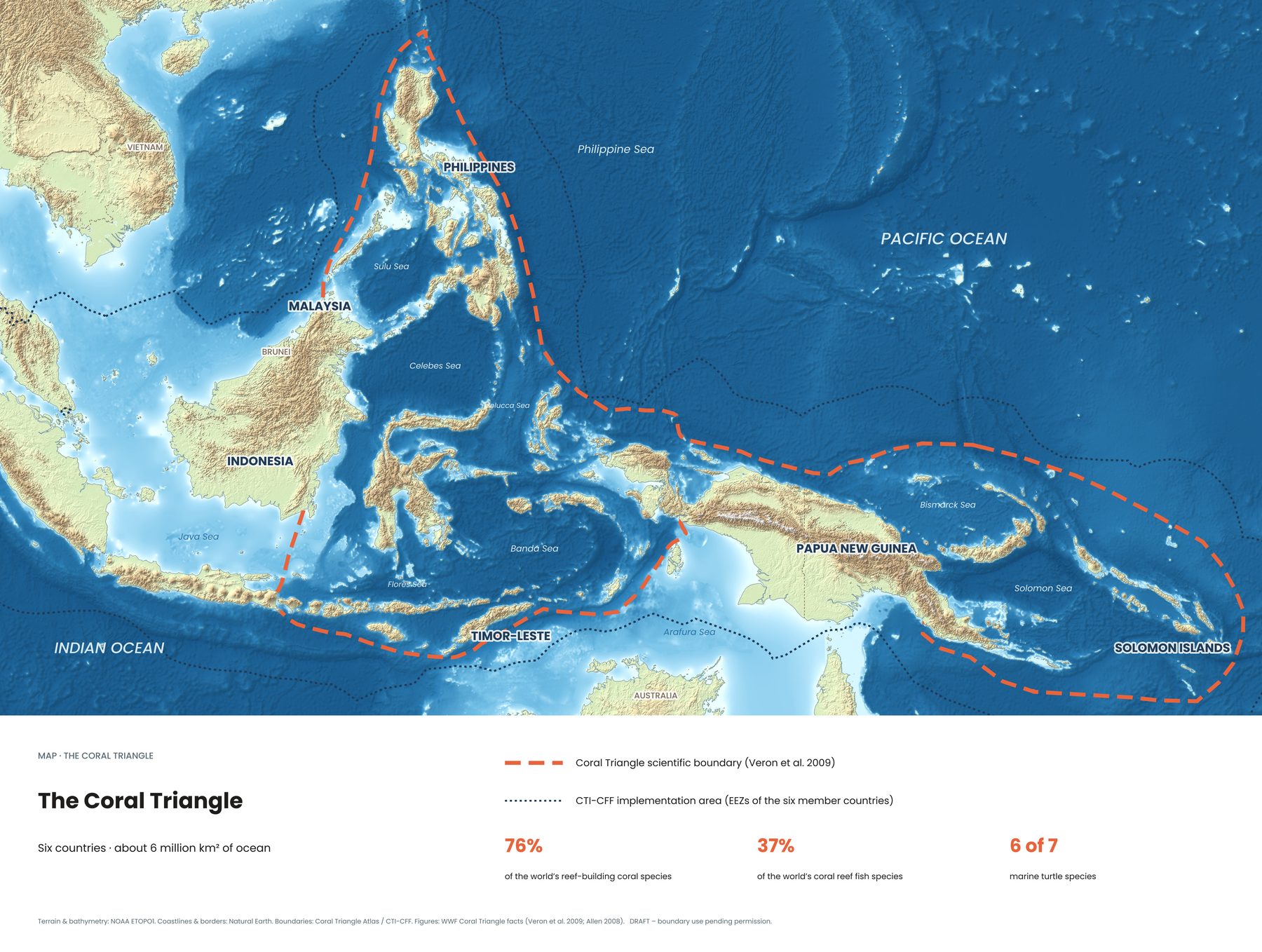
The Coral Triangle covers six million square kilometres of sea, and Indonesia holds the largest part of it. You can't see it all, but you can see the best of it. These are ten places where its richness is easiest to experience, from world-record reefs to one easy boat ride from Bali.
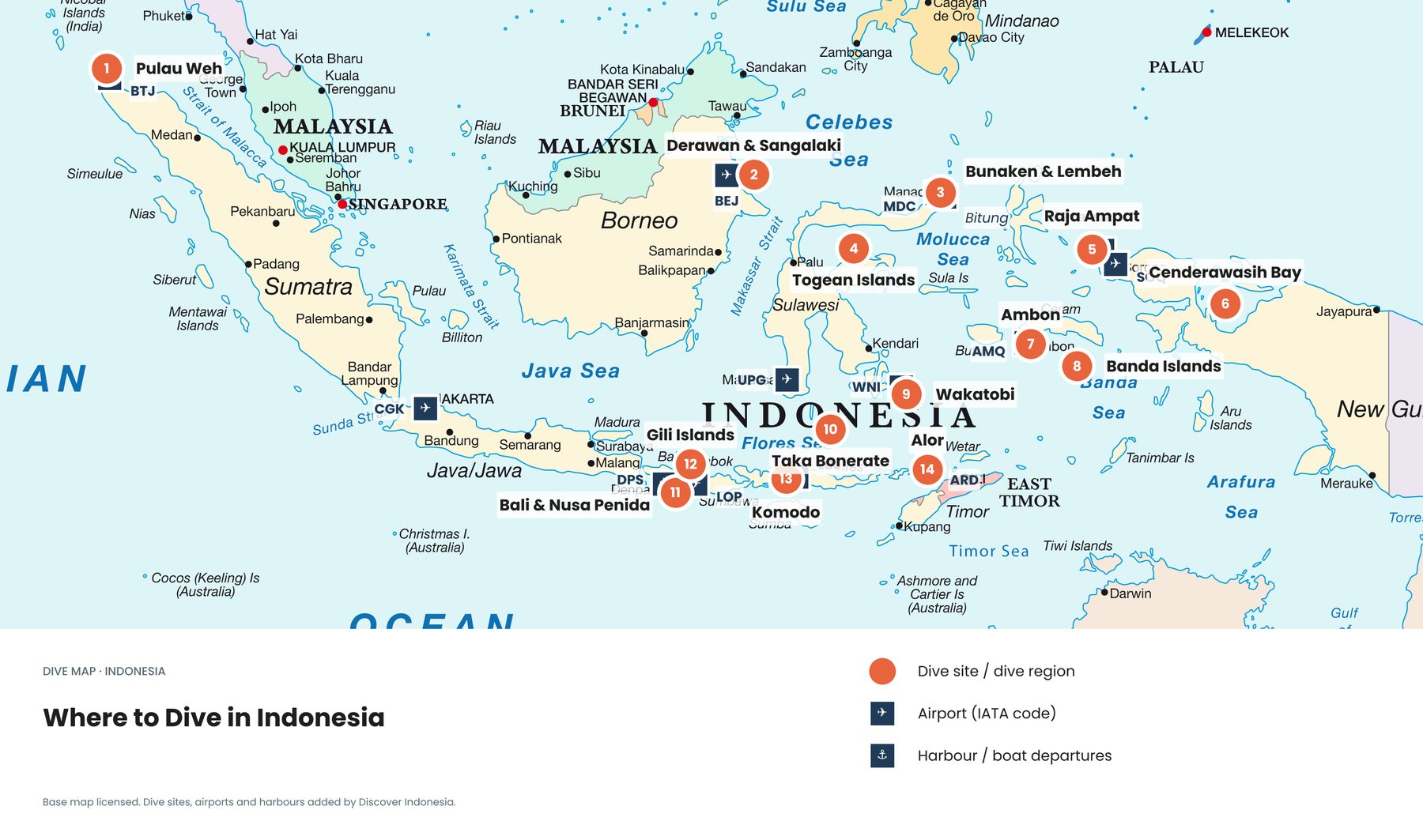
1. Raja Ampat, West Papua
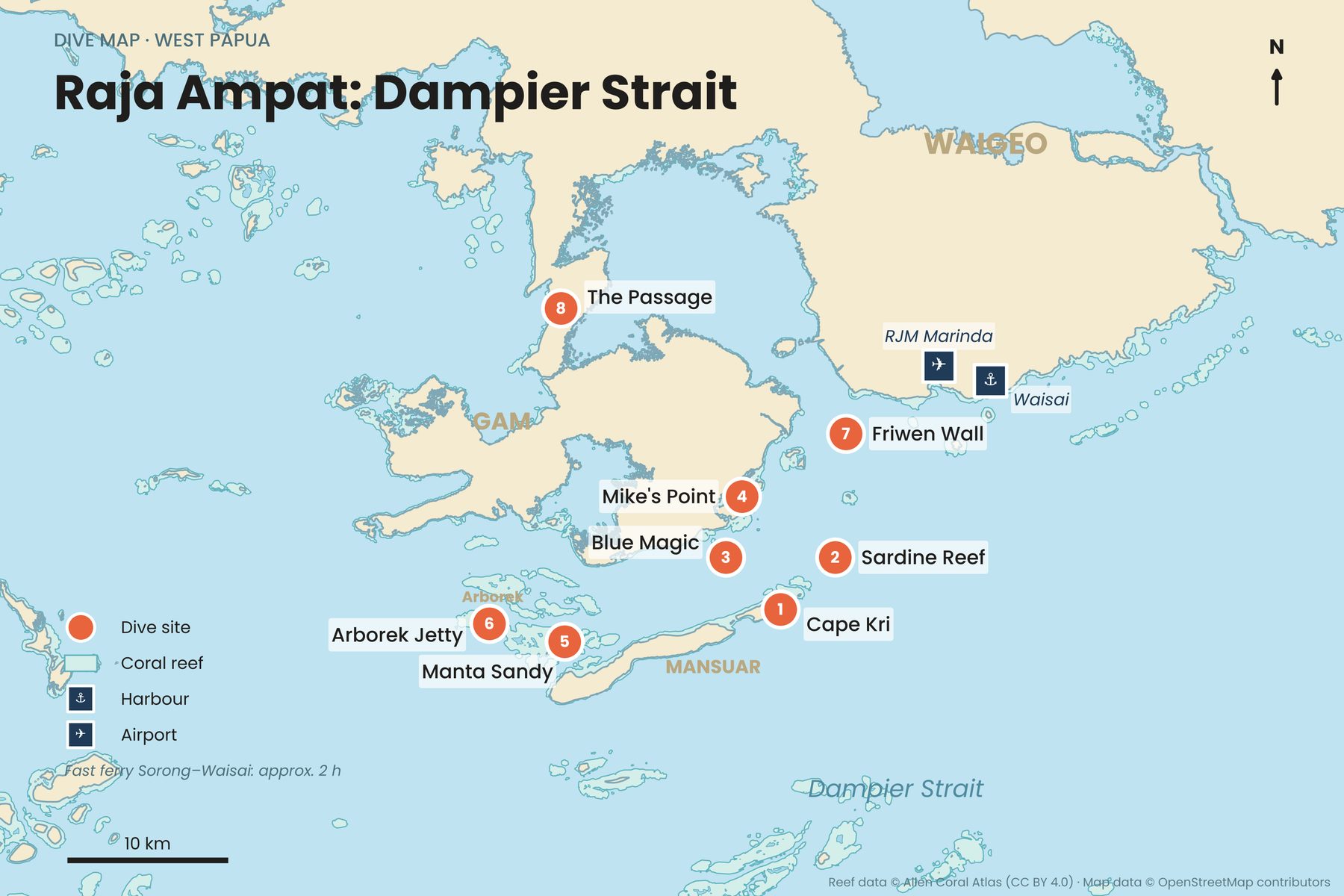
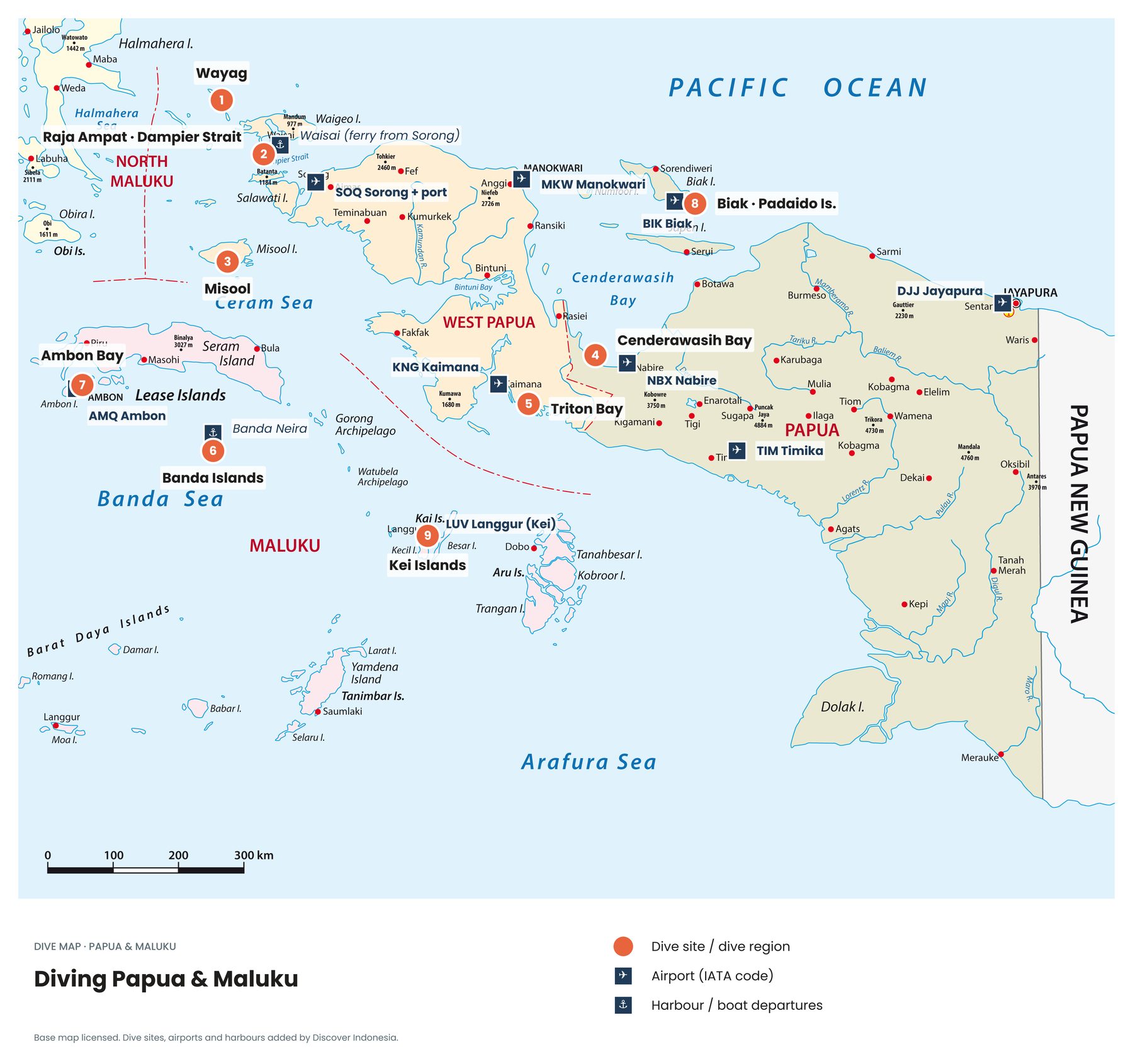
The heart of the Coral Triangle and the place that holds the record: at Cape Kri, ichthyologist Gerald Allen counted more than 370 fish species on a single dive. Most of the famous sites are packed into the Dampier Strait between Waigeo and Batanta, where currents feed huge schools of fish, reef sharks and manta rays. Further south, Misool adds soft-coral walls and quiet lagoons.
Best for: sheer abundance. When: usually October to April, when seas are calmer and most liveaboards operate.
2. Komodo National Park
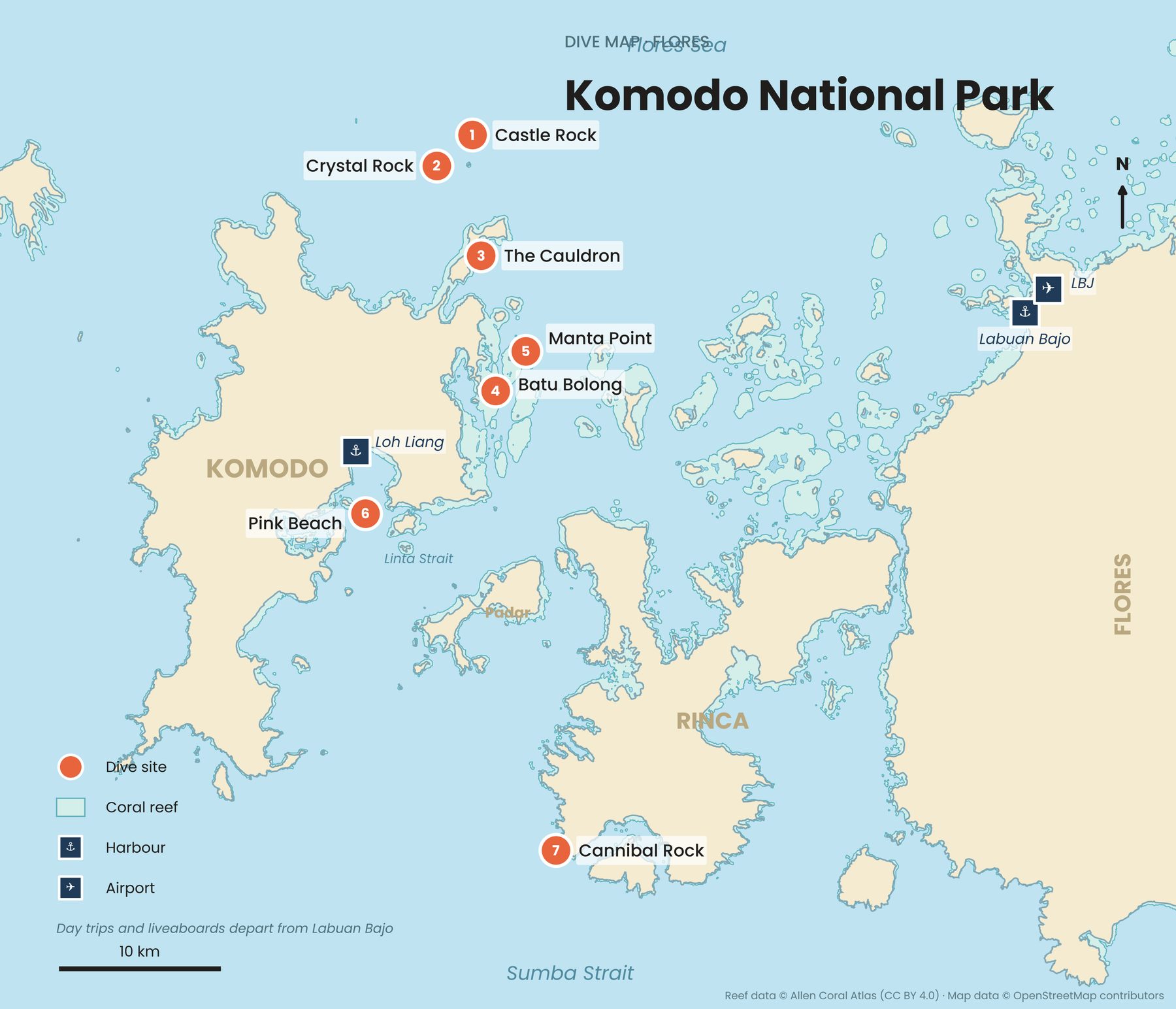
Where the Pacific and the Indian Ocean meet. Strong tidal currents sweep through the channels between Komodo, Rinca and Flores, bringing nutrients, big fish and manta rays. Sites like Castle Rock, Crystal Rock and Batu Bolong are among the most exciting dives in Indonesia, and on land the dragons wait.
Best for: currents, mantas and big fish. Good to know: many sites suit experienced divers; conditions change with the tides and seasons.
3. Wakatobi, Southeast Sulawesi
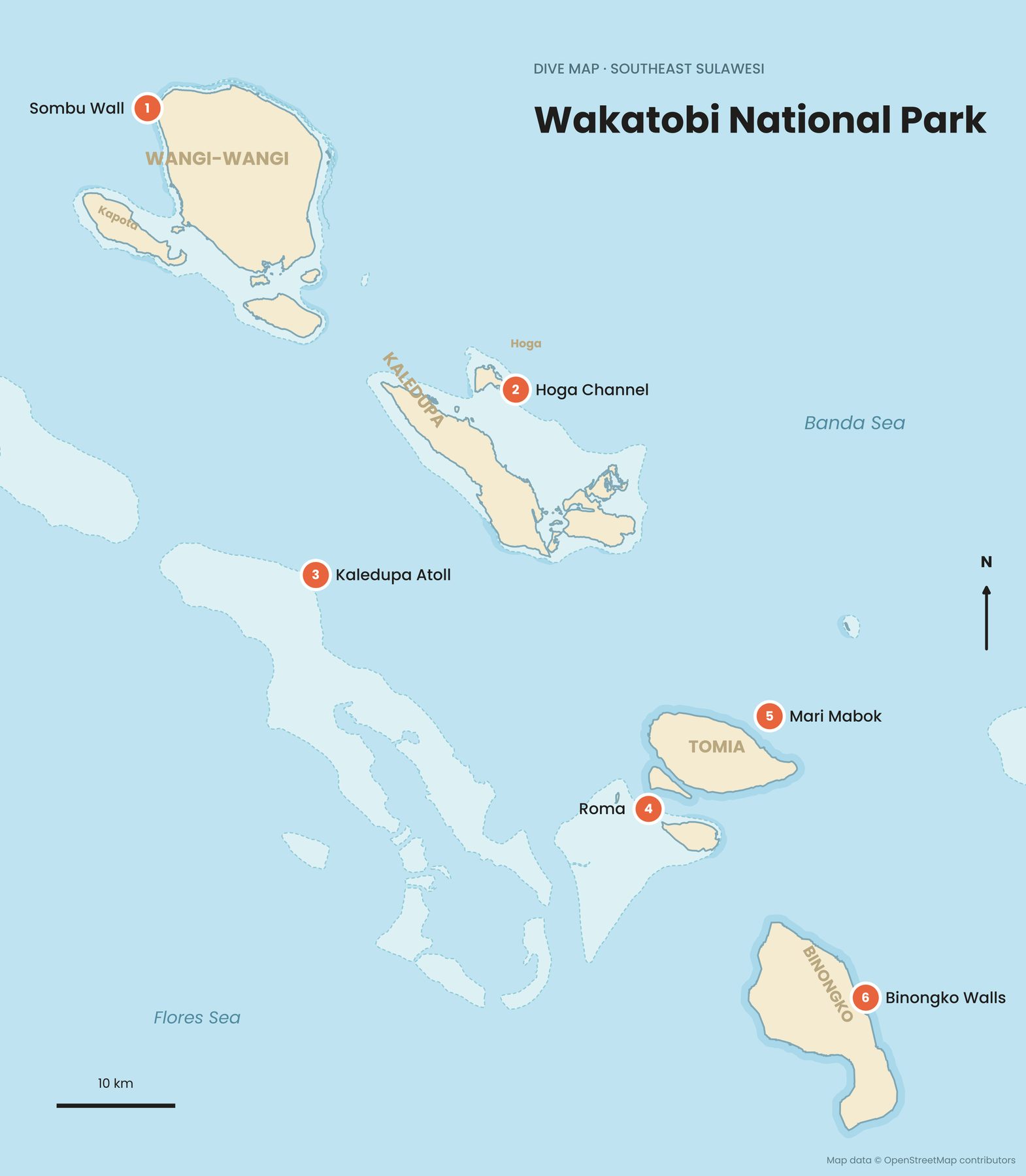
Four islands, Wangi-Wangi, Kaledupa, Tomia and Binongko, gave Wakatobi its name. It is one of Indonesia's best-protected marine parks, with healthy coral walls, clear water and gentle conditions. Far from the crowds, it is the Coral Triangle at its calmest.
Best for: pristine reefs, relaxed diving and snorkelling.
4. Lembeh Strait and Bunaken, North Sulawesi
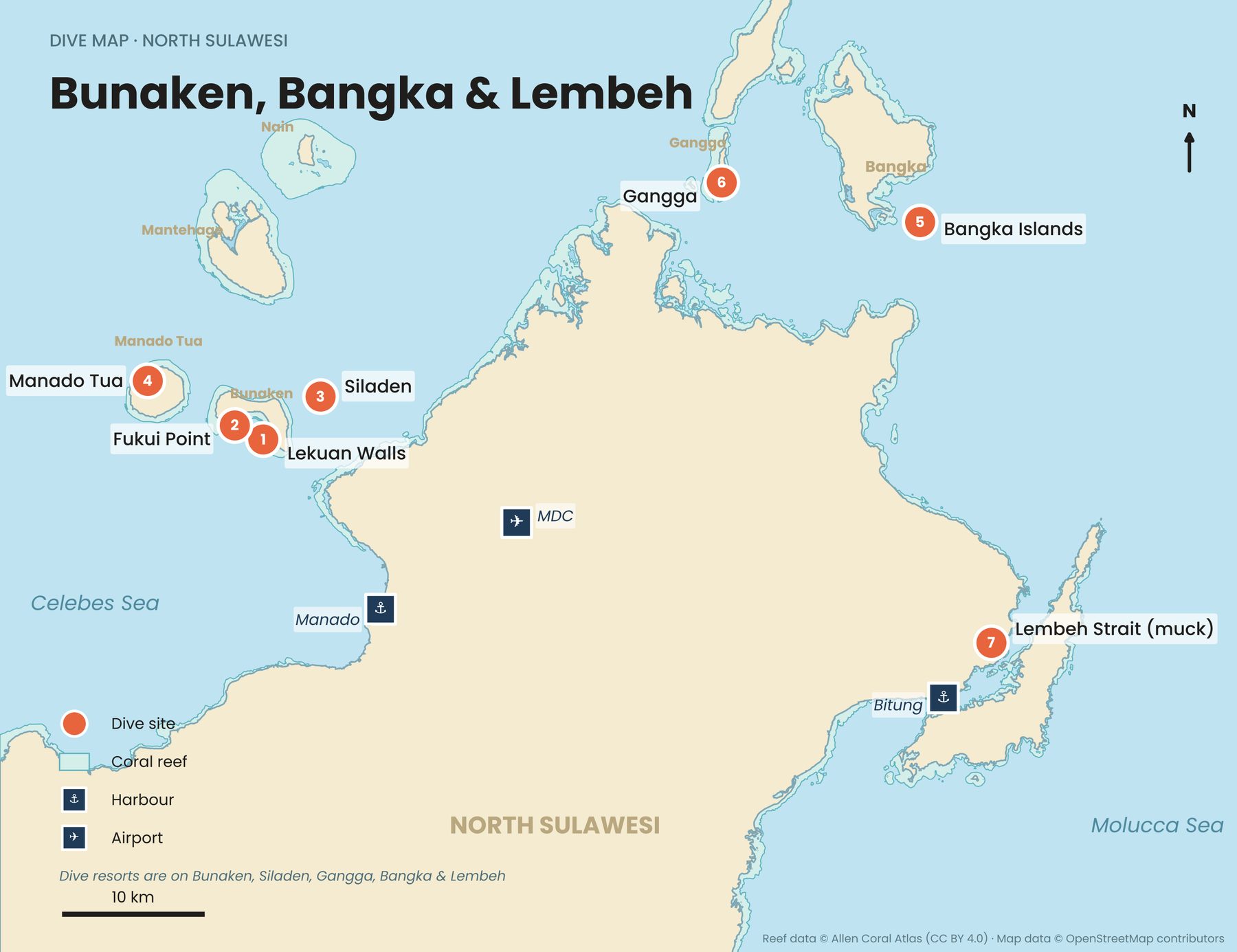
Two very different worlds an hour apart. Bunaken's coral walls drop into the deep just off Manado. Across the peninsula, the black sand of the Lembeh Strait is the capital of muck diving, home to frogfish, mimic octopus, hairy frogfish and nudibranchs in endless variety.
Best for: underwater photographers and critter hunters.
5. Nusa Penida, Bali
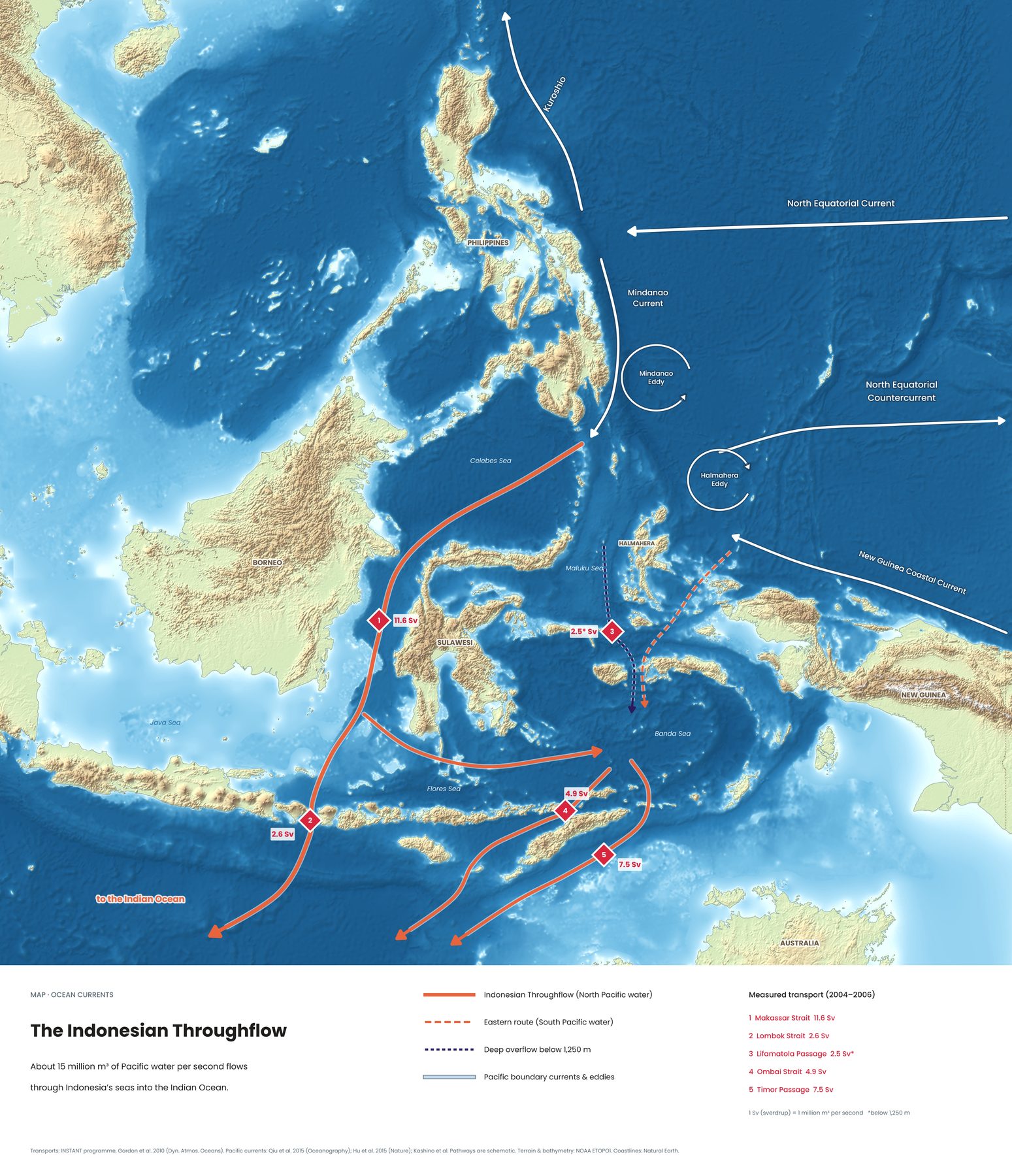
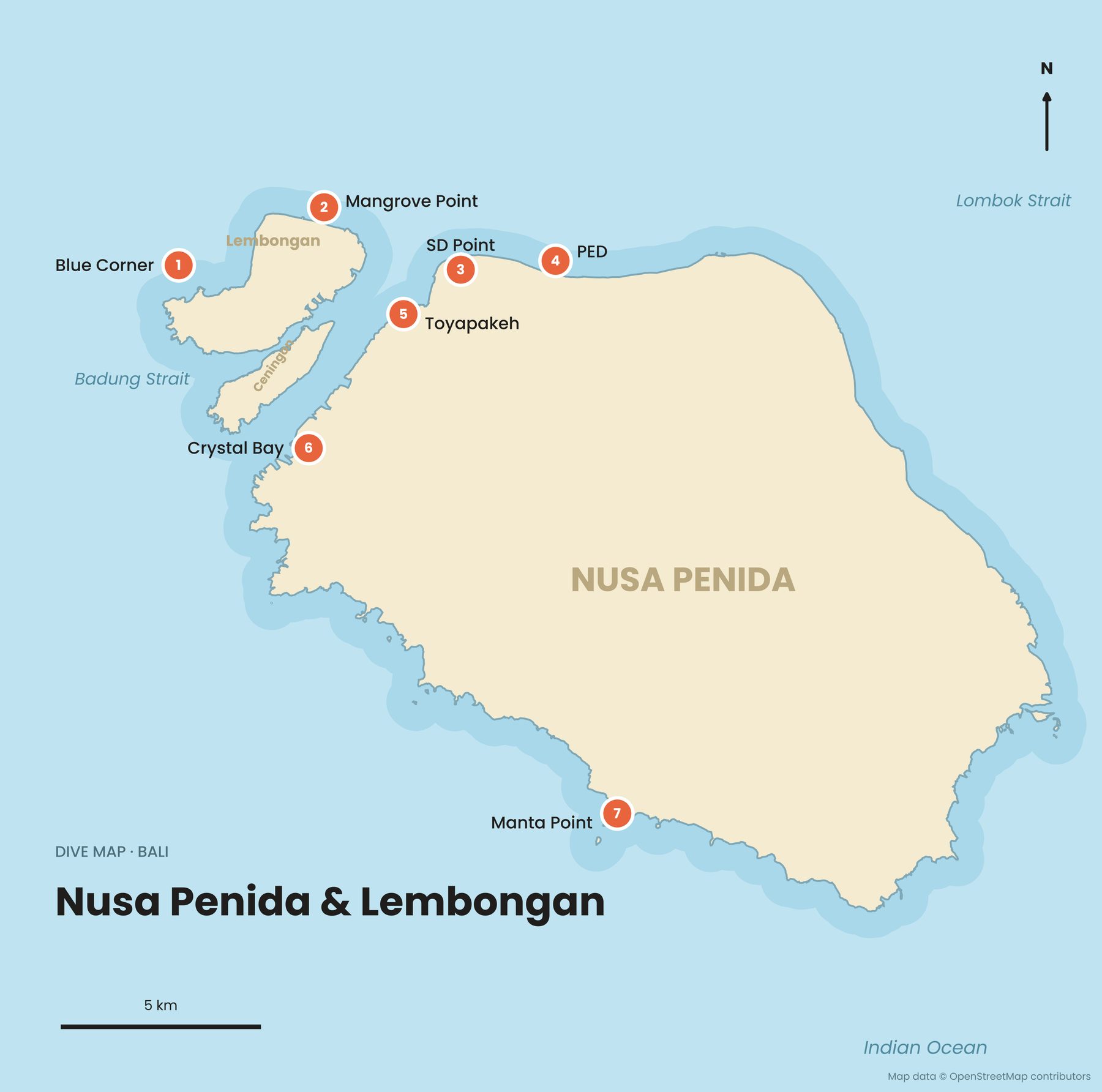
The easiest way into the Coral Triangle. Nusa Penida sits on the main channel of the Indonesian Throughflow, a short fast-boat ride from Sanur. Reef manta rays visit cleaning stations year round, and from about July to October the giant oceanic sunfish, the mola mola, rises from the cold deep.
Best for: travellers with only a few days, and anyone who wants mantas without a liveaboard.
6. Alor, East Nusa Tenggara
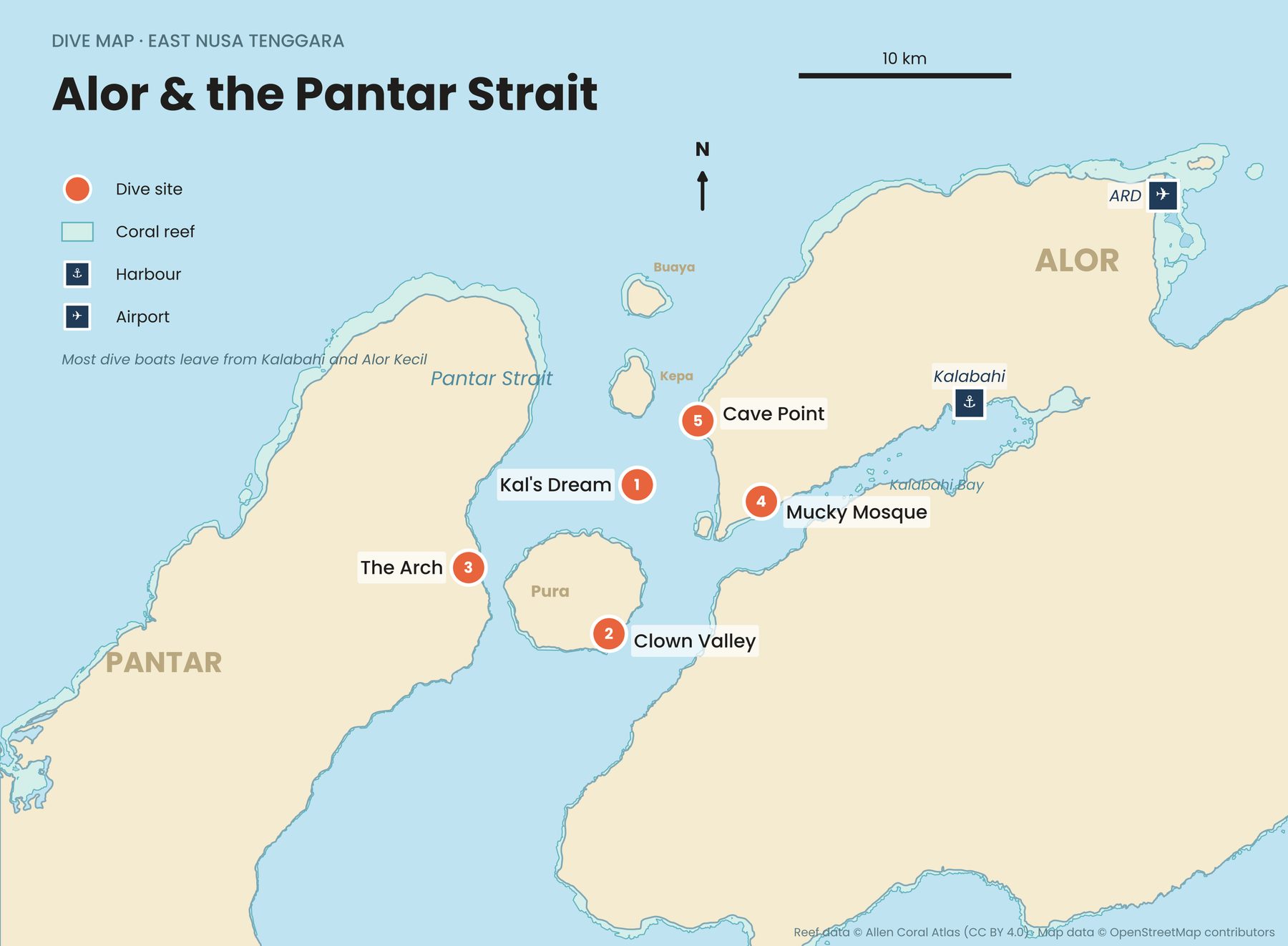
At the eastern end of the Lesser Sunda Islands, the Pantar Strait channels cold, clear water from the deep. The result is some of the healthiest coral in the region, very clear visibility and a remote, end-of-the-world feeling. The water can be surprisingly cold, so bring a thicker wetsuit.
Best for: experienced divers looking for untouched reefs.
7. The Banda Islands, Maluku
The old Spice Islands sit in the middle of the deep Banda Sea. Coral has regrown remarkably fast over the lava flow of the 1988 eruption of Gunung Api, and the walls around the islands attract schooling fish and, at times, hammerhead sharks. Liveaboards visit mainly in the calmer months between the monsoons, around March to April and October to November.
Best for: history, volcanic landscapes and big walls.
8. Cenderawasih Bay, Papua
Indonesia's largest marine national park is famous for one thing above all: whale sharks. They gather around the floating fishing platforms called bagans, attracted by the small fish the fishermen catch, which makes for some of the most reliable whale shark encounters anywhere.
Best for: swimming with whale sharks.
9. Taka Bonerate, Flores Sea
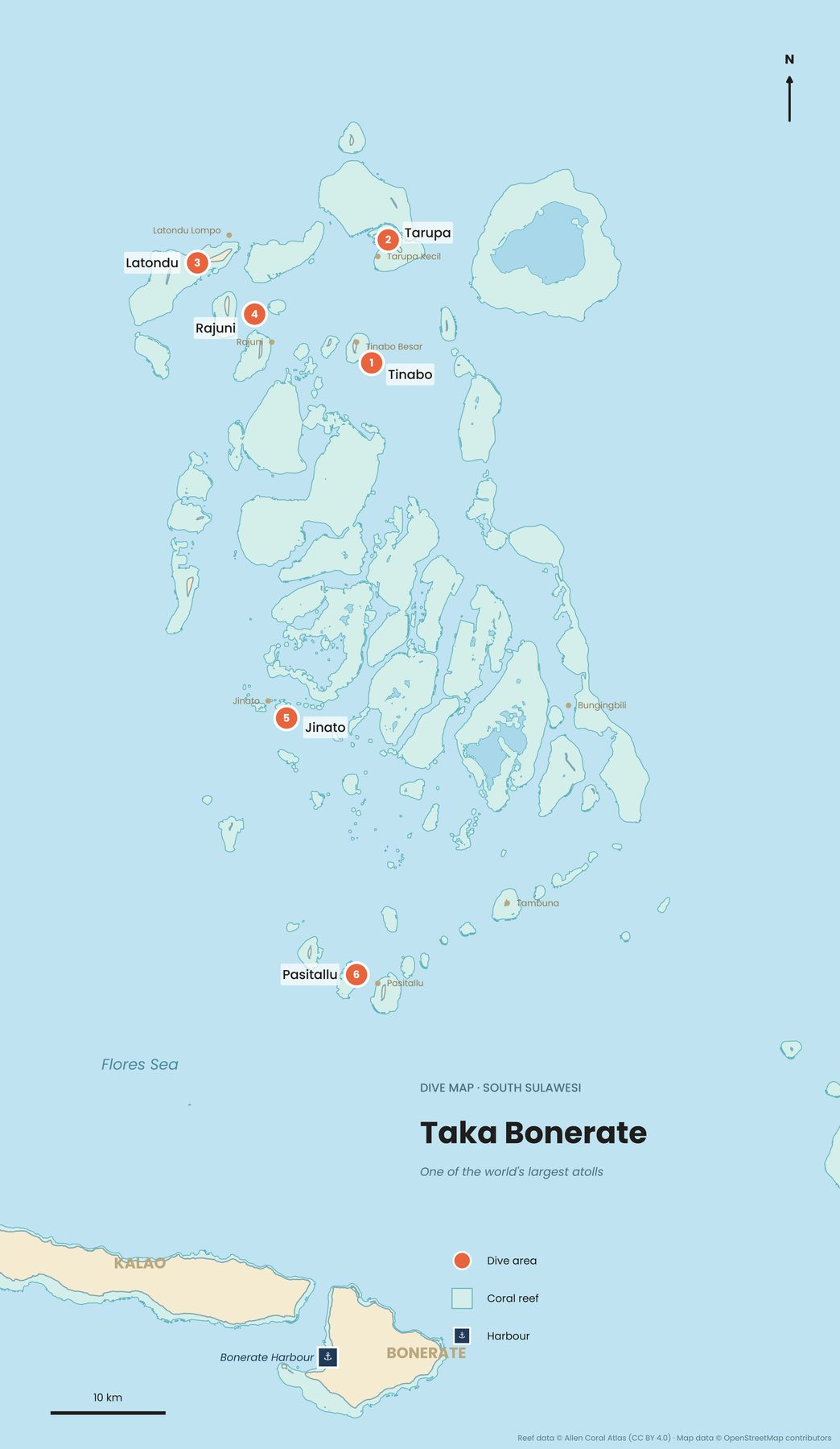
One of the largest atolls in the world, a ring of reefs and sandy islands in the Flores Sea south of Sulawesi. Few divers make it here, which is exactly the appeal: wide reef flats, drop-offs and island villages that see almost no tourism.
Best for: adventurous travellers and atoll lovers.
10. The Togean Islands, Central Sulawesi
Hidden in the calm Gulf of Tomini, the Togeans combine coral reefs, mangroves and a lake of stingless jellyfish. Wooden bungalows, slow days and some of the gentlest snorkelling in Indonesia make this a place to stay longer than planned.
Best for: slow travel and easy snorkelling.
All of Sulawesi's dive regions on one map →
Beyond Indonesia
The Coral Triangle continues across five more countries. Highlights include Tubbataha Reefs in the Philippines, reachable only by liveaboard from about mid-March to mid-June; Sipadan in Malaysian Borneo, where daily dive permits are limited; Kimbe Bay in Papua New Guinea; and the remote reefs and wrecks of the Solomon Islands.
Before you go
- Pay the park fees. Raja Ampat, Komodo, Wakatobi and other parks charge entry fees that fund rangers and patrols.
- Plan for distance. Many of these places need a domestic flight plus a boat. Allow buffer days for delays.
- Check your level. Komodo, Alor and parts of Raja Ampat have strong currents. Log some drift dives first.
- Get dive insurance. Hyperbaric chambers are few and far apart in eastern Indonesia.
See the whole Coral Triangle in eight maps →
Frequently asked questions
What is the best place to see the Coral Triangle?
Raja Ampat has the highest reef fish diversity ever recorded and is the classic choice. For a shorter trip, Nusa Penida near Bali or Komodo are much easier to reach.
Can I see the Coral Triangle without diving?
Yes. Raja Ampat, Wakatobi, the Togean Islands and Nusa Penida all have excellent snorkelling, and many reefs start just a few metres below the surface.
Is Bali in the Coral Triangle?
Bali sits on its western edge. Nusa Penida and the reefs of east and north Bali fall inside it, which makes Bali the easiest entry point.
Sources
- Reef data: Allen Coral Atlas, CC BY 4.0
- Map data © OpenStreetMap contributors, ODbL
- WWF and CTI-CFF (Coral Triangle facts)